Rescued!

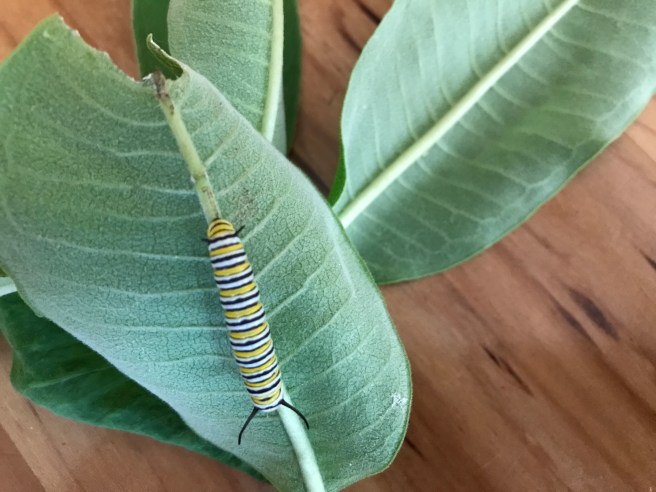
Two weeks ago I found a monarch caterpillar on the back of a milkweed leaf in the field across from our home. He was so tiny he was barely noticeable. What a difference two weeks can make. Here is the same caterpillar yesterday.

IMG_0063.JPG

When I brought this little guy home, it was as an experiment in raising a monarch. I have only seen a few monarchs these last couple of years and know the survival rate of the larva in the wild is less than 10%.  I was  feeling optimistic about them returning here in greater numbers when I saw that milkweed had taken hold again in the wild edges of the fields.

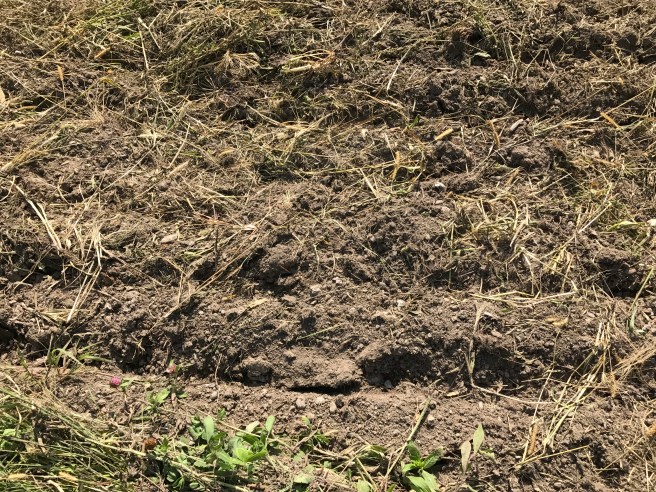
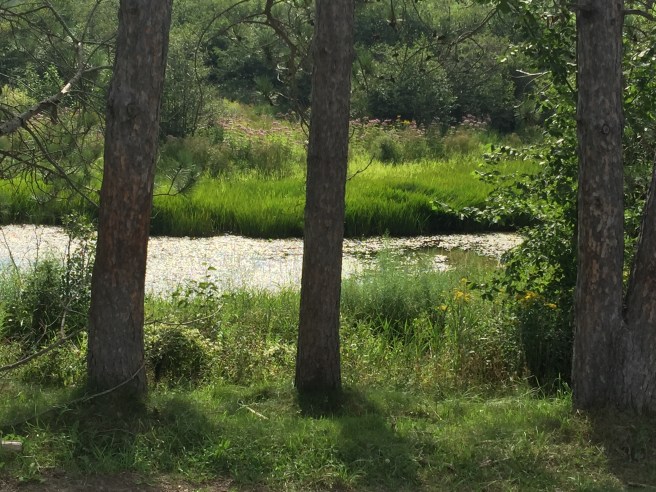
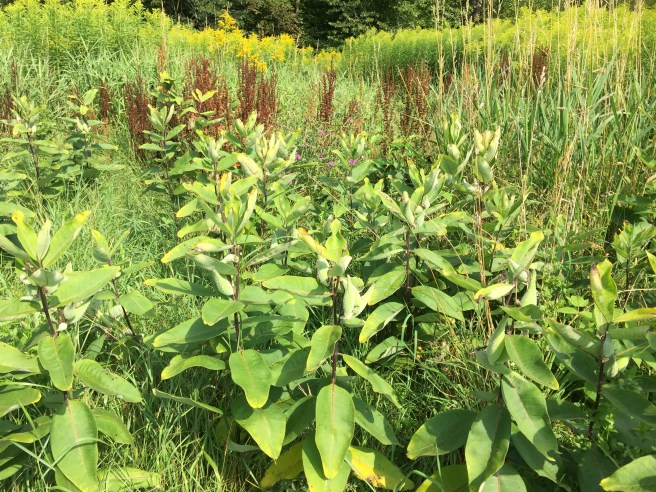
Little did I know when I started this experiment that it would turn out to be a rescue mission. Here is a picture (taken two days ago) of the same spot where I found the monarch caterpillar.

IMG_0062.JPG

The farmer had left the field fallow all summer and this past week he decided to harrow it. My caterpillar, and any of his siblings, would have lost their chance to continue on into future generations. Meanwhile, my rescued one should be making his cocoon any day now, if his size is anything to go by.

This is not a new or unusual story. Farmers plow their fields and wildlife  gets destroyed in the process. (I’ll tell you about the plight of the nesting bobolinks next spring.) What this does do, however, is recommit me to leaving the borders of our field wild so that we don’t play a part in the demise of any vulnerable species struggling for their survival.


Summer Collapses Into Fall

fullsizeoutput_25d.jpeg

It’s undeniable. The shift has occurred, or the collapse as Oscar Wilde writes. All of the other seasons seem to creep in around the edges, but not fall. The leaves on the trees are green – and then suddenly they’re not. One day we’re swimming, the next we’re wearing polars and searching out a sunlit place to have our morning coffee.

There’s a poignancy to the fall. Smells and sounds are intensified and nostalgia runs deep. The crate of apples at the back door, the muskiness of freshly raked leaves, and the honking of the first geese to fly overhead is the stuff of poetry.

IMG_0040.JPG    

Even the clouds hang differently in the sky at this time of year: they are lower and heavier and seem to blanket the landscape.  And the chillier nights have fog snaking into the valleys waiting for the weakening sun to burn it off a bit later each day.

IMG_0044.JPG

Fall is the last act of the seasonal play. Lucky for us, we all get to be actors in this final scene. For me, that means enjoying every mouthful of fresh produce while it is still available.

fullsizeoutput_26c.jpeg

And spending as much time outdoors as possible.

IMG_0053

Perhaps it’s knowing that the end is in sight that makes this last season all the sweeter. There’s no more looking forward, there is only now. And now is very, very generous.

Enjoy this transition to fall everyone!


EEK! My Caterpillar Is a Teenager

A few blog posts back, I wrote about finding a monarch larva and promised an update. He was very, very tiny when I found him, barely noticeable on the furry back of the milkweed leaf. That was when he was just a baby. And then there is now….

IMG_0004.JPG

Eek! My  caterpillar is a teenager. He is “eating us out of house and home,” his room is a mess, and he doubles in size every day. Did I mention he is naughty? The other day I found him on the inside of the water container that keeps the milkweed fresh.   I never see him moving, but I sure do see signs that he has been crawling about.

IMG_0005.JPG

We’ve added a forked branch for a chrysalis to hang on in case he gets any ideas about becoming an adult and leaving home. This is like parenting on fast forward. Remember when you were just getting comfortable with one stage and they moved on to the next? Same thing.

For now, he is in his glass home resting and I will just content myself with that until the next big change.


Well Lookee Here!

IMG_3047.JPG

I found this little guy on the last leaf of the last milkweed plant I looked at on my walk Friday. And I almost missed him. He looks quite impressive in this photo but he is actually very tiny, about the length of a dime.

He is now living on the screen porch in a fish tank with a fresh supply of milkweed leaves but has not ventured from the leaf where I found him. The edges of the leaf have been nibbled on both ends, so I know he has been moving about.

IMG_3054.JPG

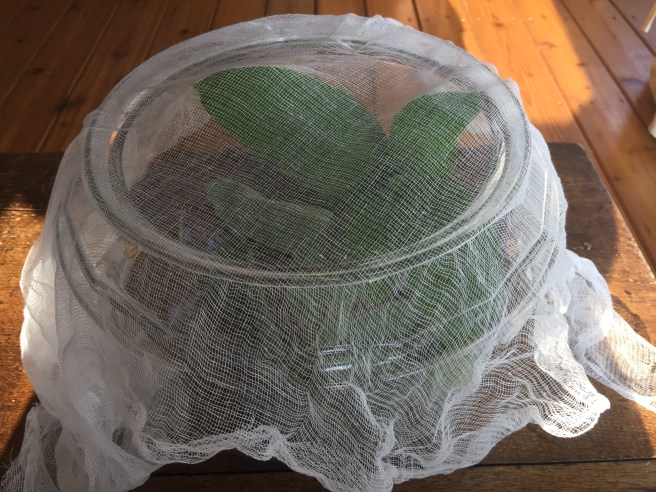
It takes a monarch about a month to go through the stages from egg to adult – egg, larva (caterpillar), pupa (chrysalis) and adult. My newly found larva has a lot of growing to do in a very short time. And I am a bit worried. I have discovered that like all good ideas I bluster upon, it can be more complicated than it seems at first. For instance, I read that monarchs are usually raised in mesh cages for air circulation and that the milkweed leaves should be placed in water to prevent them from drying out. I don’t have a mesh cage, but I did place cheesecloth on top of the tank so that he can’t escape but still has a supply of fresh air. I have added a new sprig of milkweed and placed it in some fresh water. We’ll see… I’ll keep you posted.

IMG_3056.JPG

Wild Places

IMG_3033.JPG

I have been thinking about wild places lately and by that I don’t mean the wilderness that surrounds me just steps from my gardens. I am thinking more about those untended places that grow scrub grasses and bushes. I remember reading years ago that people in Europe always left sections of their backyards wild. The mystical among them thought it would be good karma to leave space for the wee folk and fairies. Others might have garnered that these wild spaces were very valuable real estate for other reasons. Wild spaces are homes to birds, insects, butterflies, bees and other pollinators that are crucial for the crops that feed us. It’s about having a balanced ecosystem.

What got me thinking about all this was seeing that at the corners of our fields and in the untended places  the milkweed have returned and along with them the monarch butterflies.

IMG_3021.JPG

When we first moved here our field had been left to revert to its wild state. It was overgrown and alive with milkweed, Joe-Pye weed and goldenrod in the late summer. I remember the air being full of the silky seeds from the milkweed pods on breezy fall days. This changed as we became managers of our field and plowed it to grow vegetables and then after that had it cut once or twice a year for hay. The floods these last few years have left the edges of the field difficult to cut and they have once again returned to their wild state.

I think all of this is a very good thing for our property and for the eco-system we are trying to nurture. As an added bonus, the wild areas at this time of year are  very, very beautiful. They are dominated by goldenrod and Joe-Pye weed,  a truly magnificent combination of mustard yellow and rose-lavender. In certain lights the blending of the two just takes my breath away.

IMG_3029 2.JPG

I have been checking out the health of the newly returned milkweed plants and have noticed that they have already formed the green cob-like pods. I was also looking for signs that the monarchs I have seen around are laying their eggs for their last transformation. There is a bit of urgency now because the newly hatched butterflies will have a long migration ahead of them before the cold weather sets in.

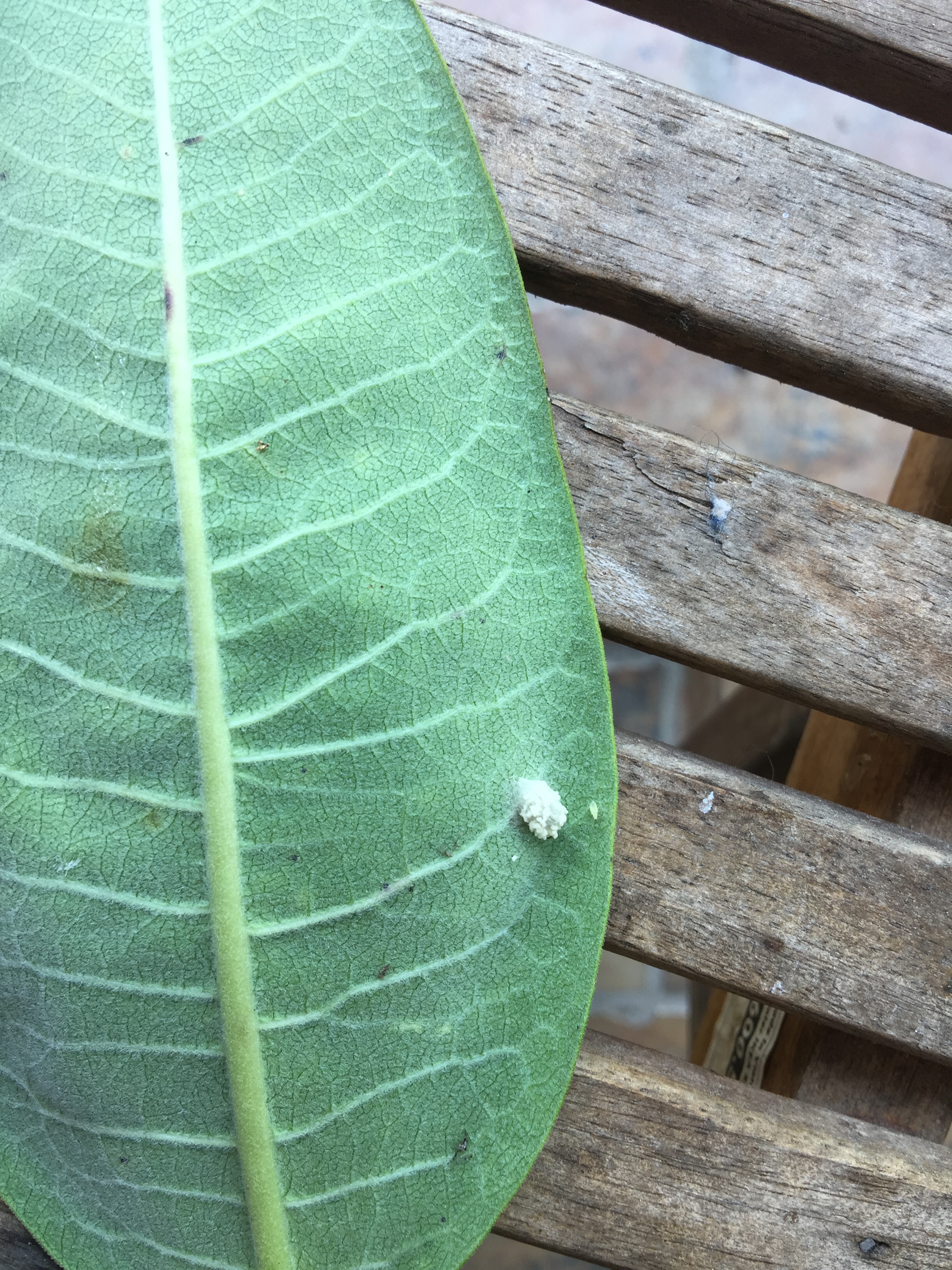
I found a leaf in the field that appears to have an egg on the underside of its leaf and have brought it home so that you and I can watch this miracle happen. If you have never seen a monarch pupa, you are in for a big treat. Let’s hope that I have found the egg I am looking for.

IMG_3025.JPG

L’heure Bleue

I have just recently been introduced to the French term l’heure bleue. L’heure bleue rolls off the tongue and sounds romantic, and magical, and a bit mysterious. As it turns out, that is exactly what it is. It is said that flowers are more fragrant and birds sing more sweetly during this hour of the day. L’heure bleue, translated as the blue hour, is that time early in the dawn or late in the dusk when the sun is still below the horizon and its indirect light takes on a blue shade. In the morning, l’heure bleue is followed by the golden hour when the landscape becomes bathed in golden light. This is reversed at dusk when the golden hour is followed by l’heure bleue.

It just so happens that these are my two very favourite times of day, so I am often outside marvelling in them, or if I am lucky, capturing a photo of the magic they weave. Even though they are referred to as hours they are actually a brief forty minutes in length.

I have just started exploring photographing l’heure blue even though I know it on a visceral level from all my evening walks.

IMG_2056.JPGPhotographing a full moon during l’heure bleue.

IMG_2390A spring walk.

IMG_2927.JPGA photograph from last night’s walk.

If you are in any doubt about l’heure bleue,  listen for the birds!

Golden hour which just precedes l’heure bleue in the evening has a very different quality of light. Everything seems to be bathed in gold.

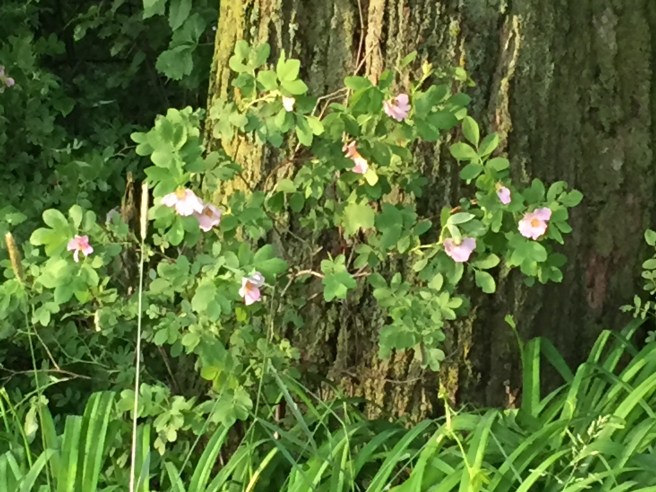
IMG_2712Roses on Solstice Eve.

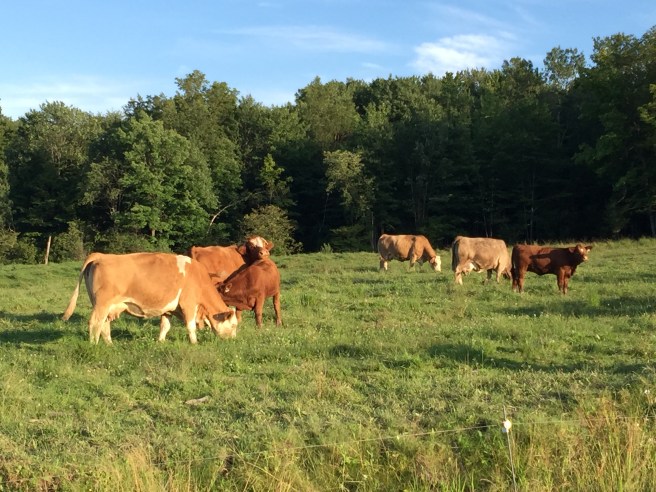
IMG_2899.JPGCows enjoying the golden hour.

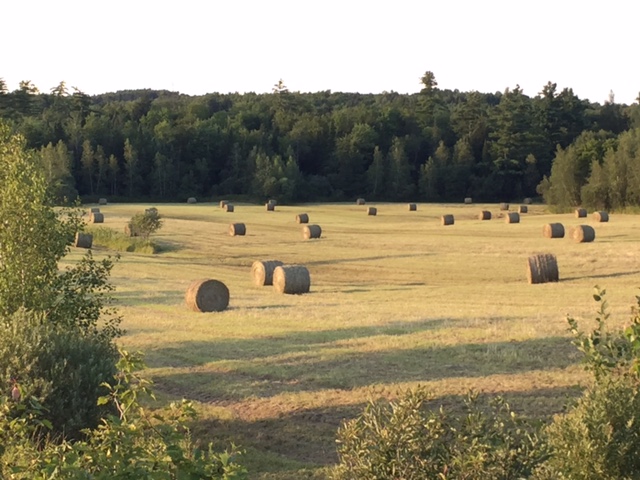
IMG_1142Golden hay bales.

Golden hour and l’heure bleue have two very different feelings and qualities of light.  Both very special. Both worth being out there enjoying.


The Wheel of the Year Is Turning

The beginning of August marks a turning point. The sun has shifted in the sky and sets just a bit lower and earlier than it did a short month ago. Nights have become cooler. (We have just had our first 6° and 8° celsius nights here in southern Quebec.)  The plant world has stopped exploding with new growth and has started setting fruit. 

August 1 was the beginning of Lammas in the medieval agricultural year and marked the end of haying and the beginning of the harvest season. Very exceptionally this year the haying season was delayed because of the constant rains. It is unusual to see farmers still making their first cut so late in the season. IMG_1142

I always greet the light and temperature changes with some sadness. It is hard to let go of  the headiness of those first summer days.  Maybe that’s the beauty of old celebrations centred around this time of year. It’s a reminder to move forward whether we want to or not: much better to be in step with nature rather than ignoring its pull.

Along with the sadness of a season passing is the excitement of the new one on its heels. Time to reap the rewards brought to us by the long, sultry summer days. The tables at the farmer’s market here in our village are piled high at the moment with fresh produce and local blueberries and fresh corn have made their first appearance. What’s not to love about the bounty of this latest growing season?

Our eyes may have shifted into a more forward gaze but these last warm days of summer can be the best just because they are the last.  My wish is for us all to savour August this year.

Happy August everyone!


Summer Nostalgia

Nostalgia: a sentimental longing or wistful affection for the past, typically for a period or place with happy personal associations.

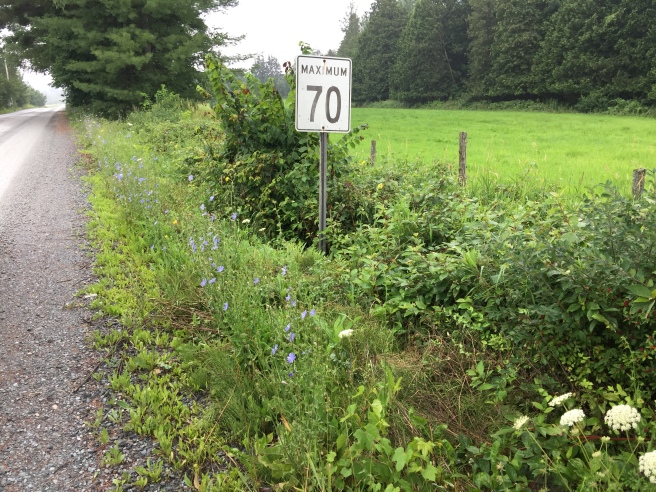
There is something about the quietness and warmth of mid-summer that brings reminiscences of summers past to the forefront for me. It happened the other day when I passed the chicory and Queen Anne’s Lace flowering on the roadside as we drove the backroads in the area near where I grew up.

IMG_2893.JPG

For a fleeting instant, I was sixteen or eight again out for a summer drive, windows down, bare suntanned feet pressed into the seat in front of me. Nostalgia has a way of grabbing an experience from the air at just the moment when life felt peaceful, or joyful, or special in some way and freezing it in time.

The word nostalgia is made up of two parts from the Greek: nóstos meaning “homecoming” and álgos meaning “pain” or “ache”. The ache part of nostalgia perhaps is what I need to write about today. I think in that moment, driving in the car, I wanted to be pulled into a dream of summer: to re-experience that perfect moment when the warmth of the sun on my body and the sound of the cicadas and the breeze stirring my hair made me one with summer. These moments are so fleeting, past or present, and perhaps that’s exactly what fuels the nostalgia.

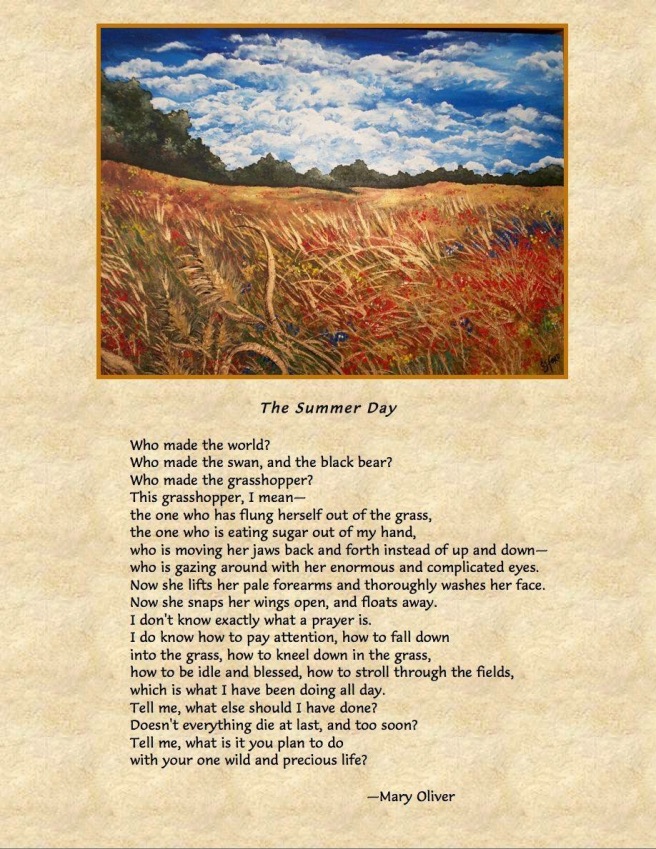
Maybe my longing is to be fully present to summer in ways I haven’t been this year because I have been caught up in the “doing” part of summer instead of the “being” part.  Maybe what I need to remember is, “how to be idle and blessed…”  After all, we only have one “wild and precious life.”

IMG_2897 2.JPG


Ticks, Lyme, and Long Walks

IMG_1040

Here in the country the woods are our backyards and tall grass abounds. We have a woodland path that connects our house to our neighbours,  a ten minute walk away. When the children were little we used this path many, many times a day. Summers are steamy here, so we wore shorts and t-shirts and had flip flops on our feet. Forward twenty years and nothing still brings quite as much pleasure as escaping the heat of the day in the canopy of the forest.

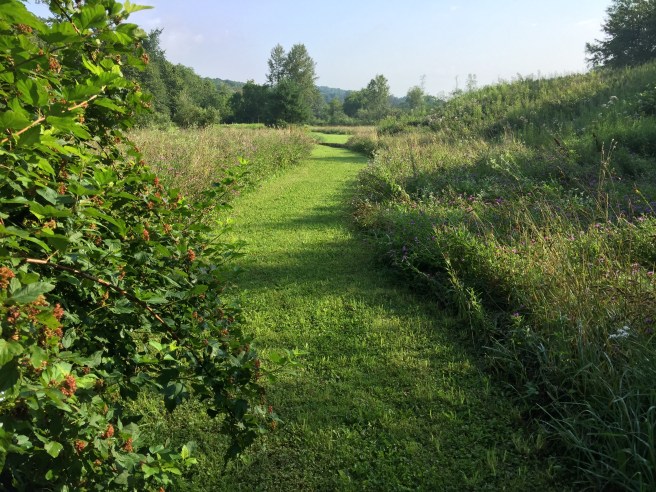
When I walk in the other direction to our rural mailbox, I often cut through our field on the way home, thinking little of the detour and often stopping to see what’s growing or living in the tall grasses.
IMG_2879

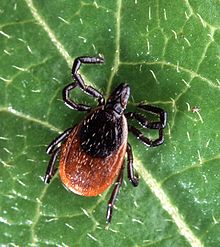
The days of carefreeness on these walks has changed now. It is sad to think that walking in the woods or taking a shortcut through the field brings hazards these days when it was done without a thought just a few short years ago. We have always had ticks in this area and I would frequently find them on our animals, but Lyme disease which was not identified until 1977 lingered to the south of us. Lyme was never an issue here until climate change meant winters have become milder and the bacteria (Borrelia burgdorferi) has been able to survive these warmer temperatures. It is now in our area just north of the Vermont border.
IMG_2877 2

What does this mean for us and our closeness to the natural world? Experts say we should dress head to toe in long clothing, tuck our pants into our socks and douse ourselves with Deet before venturing into the woods. This makes sense if the goal is to make sure that nary a tick lands on you. But what of short forays on steaming hot days when dressing in this way would just deter you from going at all? And that’s my fear. Not the ticks as much as the thought of losing a carefree lifestyle we treasure. We moved here so that we could play in the woods and fields.

My husband and I have both found ticks on our bodies in the last few years and so have our neighbours. My husband didn’t discover his until it had been on for a few days and he had developed the classic bull’s eye rash. This meant a visit to the doctor and a round of antibiotics. My tick I discovered while showering after working in the garden. It had only been there a short time and I removed it carefully with tweezers making sure to not squeeze its body. Since it had only been attached for a few hours, I only had to watch for any symptoms that might emerge in the next 3 to 30 days. I wish I could say that I am relaxed about having ticks in this area, but I’m not.

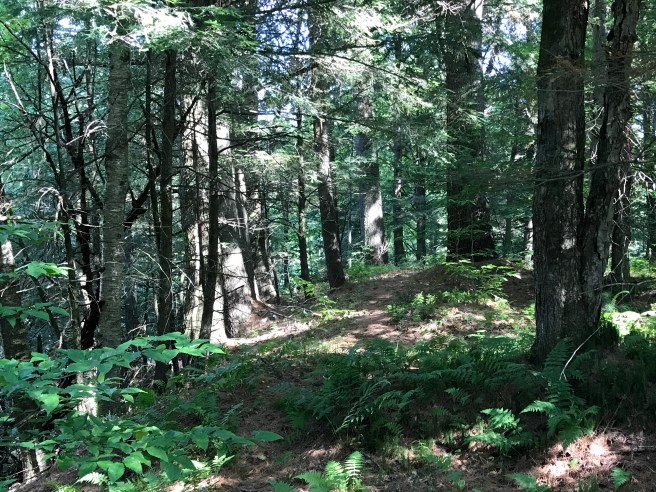
I think twice about spontaneously going into the woods these days or cutting through the field. I make sure when I am in the woods to wear long pants and a hat. I often shower when I get back and check myself very carefully, not ignoring strange places like between my toes and behind my ears. I probe my scalp and hair feeling for any raised bumps. It’s a drag. And it has changed our lives. But it is not stopping any of us from enjoying the woods. It is why we moved here. We are still roaming our properties, albeit more cautiously than a few short years ago.

Transitions and Mushrooms


I have started this post a few times now as I try and bring myself (and you) up to date. I have been mostly transitioning back to our country property after our trip to London. That has meant doing all of the immediate things that have required doing – staking a few plants, getting food in, and taking stock of the changes that occurred while we were away. It has been raining almost non stop here these last three weeks. There has been so much rain that there was a small landslide on the cliff on the other side of the brook which has altered the course of the stream and created a new little waterfall. As I was surveying this on the weekend, I noticed lots of mushrooms growing along the banks and that is where my curiosity is leading me this morning.

IMG_2867 2

I have studied wild flowering plants that grow in this area for years but never paid much attention to the mushrooms and fungi that grow here except to stop and admire a particularly large or unusual one that I would happen upon on my walks. That has all changed since we bought our neighbouring 15 acres of woodland next door. As I get to know this land, I have decided to learn about the mushrooms and fungi growing there as well.

I was only able to take a short walk this morning, kind of a scouting mission if you will. But I did come across this:

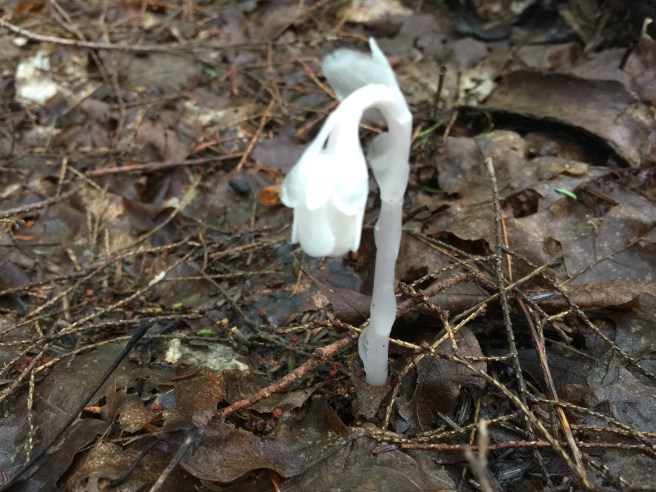
IMG_2868.JPGmonitropa uniflora (ghost plant, Indian pipe, Ghost pipes, corpse plant)

This is not the first time I have seen this ethereal plant in a woods. It is quite striking as you can see. It is considered scarce or rare in appearance but I discovered a healthy colony of them growing not far from the house.

I have a number of mushroom identification books to help me in this new study  and I brought my first two mushrooms home to identify.  Many many more, I left in the woods for another day.